Culinary courses
Culinary courses in Dehradun
Three culinary programmes, from a three-month certificate to a twelve-month CTH London diploma. Every programme runs on live production kitchens and ends in a real placement.
The culinary courses
Pick the depth you need
The Level 2 Diploma in Culinary Skills from CTH London anchors the track and carries six months of job training in a five-star hotel. Below it sit the THSC Advanced Certificate in Culinary Arts, built around Indian cuisine, and the three-month Certificate Course in Culinary Arts for beginners, home cooks and hobbyists.
Culinary
Diploma · CTH London
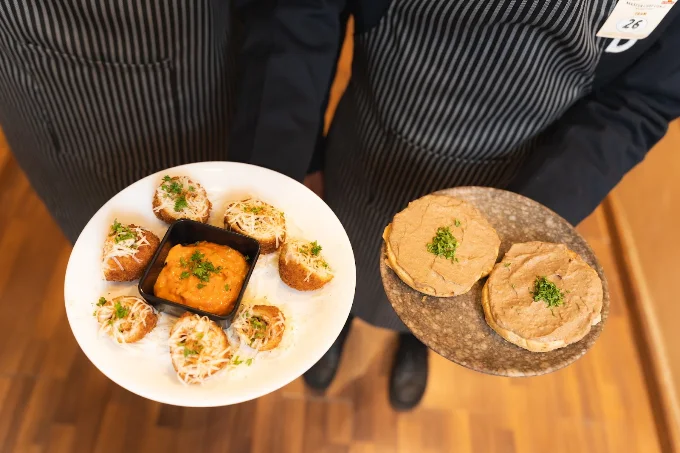
Level 2 Diploma in Culinary Skills
From knife skills to running a section. Learn the core of a professional kitchen — stocks, sauces, meat, fish, pasta and rice, pastry basics — plus menu costing and kitchen leadership.
Culinary
Advanced Certificate · THSC
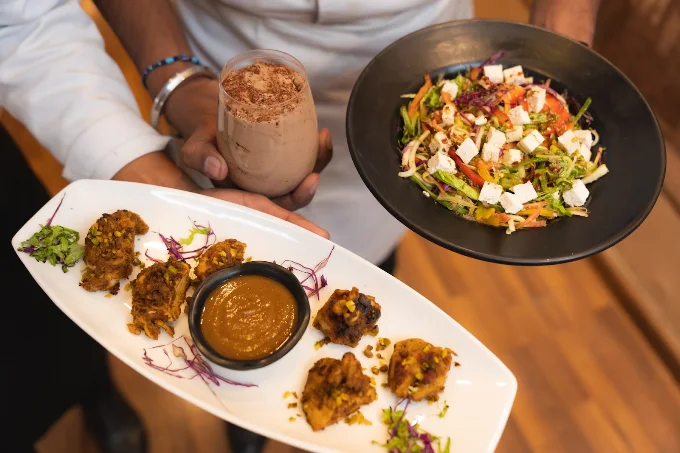
Advanced Certificate in Culinary Arts
Deep, practical command of Indian cuisine and desserts, from everyday basics to advanced regional technique, taught on live kitchen benches and finished with industrial training.
Culinary
Certificate · THSC
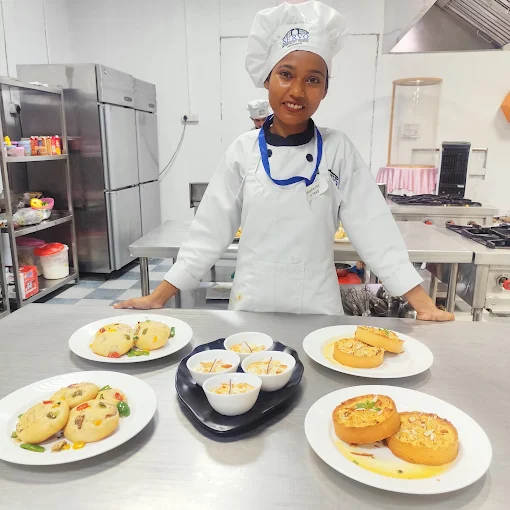
Certificate Course in Culinary Arts
A three-month practical introduction to professional cooking, built for beginners and home cooks who want to cook confidently and cleanly.
Diploma · CTH London
Level 2 Diploma in Culinary Skills
From knife skills to running a section. Learn the core of a professional kitchen — stocks, sauces, meat, fish, pasta and rice, pastry basics — plus menu costing and kitchen leadership.
What you will learn
Where it leads
Commis chef in hotels, restaurants, resorts and cruise lines, cloud kitchens and QSR central kitchens, progressing to demi chef de partie and a full section.
Advanced Certificate · THSC
Advanced Certificate in Culinary Arts
Deep, practical command of Indian cuisine and desserts, from everyday basics to advanced regional technique, taught on live kitchen benches and finished with industrial training.
What you will learn
Where it leads
Commis chef in hotels and restaurants, Indian-cuisine kitchens, catering and cloud kitchens.
Certificate · THSC
Certificate Course in Culinary Arts
A three-month practical introduction to professional cooking, built for beginners and home cooks who want to cook confidently and cleanly.
What you will learn
Where it leads
Trainee roles in restaurants and cafés, home catering, or progression to the Advanced Certificate or Level 2 Diploma.
Side by side
Compare the three culinary courses
| Course | Duration | Award | Job training | Best for |
|---|---|---|---|---|
| Level 2 Diploma in Culinary Skills | 12 months (6 + 6) | CTH, London | 6 months at Servo + 6 months job training in a five-star hotel | Aspiring chefs |
| Advanced Certificate in Culinary Arts | 6 months (3 + 3) | THSC, India | 3 months at Servo + 3 months industrial training at Ramada, Dehradun | Indian-cuisine kitchens |
| Certificate Course in Culinary Arts | 3 months | THSC, India | Hands-on kitchen practice from the first week | Beginners & home cooks |
Choosing a school
Choosing the best culinary school in India
The same four questions apply to culinary schools, where kitchen hours and the awarding body matter even more at hiring time.
Weekly kitchen hours
Ask how many hours per week each student is actually at a bench, not how many hours the course lists.
Who awards the certificate
Look for a regulated awarding body such as CTH or OTHM and a skill council such as THSC or NSDC.
Chef-to-student ratio
Small batches mean mistakes are corrected on the spot, the same day they happen.
Placement record
Ask where graduates work today, and whether job training is built into the programme.
FAQ
Before you apply
Judge a culinary diploma on weekly kitchen hours, who awards the certificate and where students get placed. Servo’s Level 2 Diploma in Culinary Skills is awarded through CTH (UK) and includes six months of job training in a five-star hotel.
Most certificate and diploma programmes start after Class 10 or Class 12. Graduates and working professionals can join the same batches. The Level 2 Diplomas take twelve months, while six-month and three-month certificates suit career-changers and bakery owners.
No. Every programme begins with fundamentals: knife handling, weighing and scaling, dough mixing, fermentation, oven control and kitchen hygiene, repeated until they are automatic.
Certificate courses run three to six months. The Level 2 Diploma in Culinary Skills runs twelve months including job training. A certificate makes you competent on a defined set of dishes, while a diploma adds menu costing, kitchen leadership and an externally moderated UK award.
Fees vary by programme length, certification body and kit inclusions, so one number on a webpage would mislead. Request the fee sheet and the admissions team will send a full breakdown with instalment options.
The fee sheet lists tuition, chef uniform and kit, practical ingredients, assessment and the awarding-body certification charge separately. Accommodation and travel are quoted apart from the course fee.
Yes. The three-month Certificate Course in Culinary Arts and the six-month Advanced Certificate in Culinary Arts are built for people who want practical, consistent kitchen standards without a full-time diploma.
Graduates commonly start as commis chef in hotels, restaurants, resorts and cruise lines, cloud kitchens and QSR central kitchens, progressing to demi chef de partie and a full section.
Yes. Kitchen internships are available in Dubai, Maldives, Mauritius, Malaysia, Qatar and Malta, and selected roles include stipend, accommodation and airfare support. Eligibility depends on programme, attendance and kitchen assessment.
Students joining from outside Dehradun are helped to find verified hostel and paying-guest options close to campus, with separate arrangements for male and female students.
Your seat is waiting
Ready to start your kitchen career?
Admissions 2026 are open. Message our counsellor on WhatsApp and get the fee sheet, batch dates and prospectus the same working day.